If you’ve spent any time working with industrial automation equipment, you’ve probably run into a frustrating reality: not everything speaks the same language.
A sensor on your factory floor might communicate using Modbus RTU. Your PLC network runs EtherNet/IP. Your building management system uses BACnet. Each of these is a different industrial communication protocol — and getting them to work together isn’t always straightforward.
That’s where a protocol gateway comes in.
What is a Protocol Gateway?
A protocol gateway is a device that translates communication between two or more industrial protocols. Think of it as an interpreter — it sits between pieces of equipment that speak different languages and converts the data so each device understands what the other is saying.
Without a gateway, devices using different protocols simply cannot communicate. Data stays siloed, integration becomes expensive, and you’re often forced into replacing equipment that’s otherwise working perfectly fine.
With a gateway, those same devices can share data across an entire network — regardless of what protocol each one was designed to use.How Does a Protocol Gateway Work?
At a basic level, a protocol gateway does three things:
- Receives data from a device using Protocol A
- Translates that data into Protocol B format
- Sends the translated data to the receiving device or network
This happens in real time and is completely transparent to the devices on either side — each one simply sees data arriving in its native protocol, with no awareness that a translation occurred.
Most modern gateways support multiple protocols simultaneously, acting as a hub for several different devices rather than just a one-to-one bridge.
Common Industrial Protocols a Gateway Might Bridge
If you’re new to industrial automation, here’s a quick reference for the protocols you’re most likely to encounter:
- EtherNet/IP — Widely used in Allen-Bradley and Rockwell Automation systems
- Modbus RTU / Modbus TCP — One of the oldest and most common protocols, found in a huge range of sensors, drives, and meters
- BACnet — Common in building automation and HVAC systems
- PROFIBUS / PROFINET — Common in Siemens environments
- DeviceNet — Older Rockwell standard, still present in many legacy systems
- DNP3 — Used in utilities and water/wastewater applications
A protocol gateway might bridge any combination of these, depending on what your application requires.
Do You Need a Protocol Gateway?
Not every application needs one. But here are the clearest signs that a gateway would solve a real problem in your system:
You have equipment from multiple vendors Different manufacturers tend to favor different protocols. If your facility runs a mix of equipment — for example, Allen-Bradley PLCs alongside third-party drives or sensors — there’s a good chance they’re using different protocols that need bridging.
You’re integrating legacy equipment into a modern network Older industrial equipment was often built around serial protocols like Modbus RTU or DeviceNet. If you want that equipment to communicate with a modern EtherNet/IP network without replacing it, a gateway is usually the most cost-effective solution.
You need data from the plant floor in a higher-level system SCADA systems, HMIs, and enterprise software platforms often use different protocols than the field devices they’re monitoring. A gateway lets plant-floor data flow upward into these systems without a complete infrastructure overhaul.
You’re working in a multi-protocol environment by design Some industries — water/wastewater, building automation, energy management — commonly use several protocols within a single facility. A gateway is often a standard part of the architecture in these environments.
What to Look for in a Protocol Gateway
If you’ve determined that a gateway is the right solution, here are the key factors to consider when selecting one:
Protocol support Make sure the gateway supports the specific protocols you need — both on the “input” side and the “output” side. Don’t assume broad support; verify the exact protocol versions and modes (for example, Modbus RTU vs Modbus TCP are different and not all gateways handle both).
Number of simultaneous connections Some gateways only bridge two protocols at a time. If your application requires bridging three or more, look for a multi-protocol device that can handle all of them at once.
Configuration flexibility How is the gateway configured? Some require proprietary software, others use a web interface. Consider how much flexibility you need for mapping data between protocols and how easy it will be to reconfigure if your system changes.
Form factor and installation DIN rail mounting is standard in most industrial enclosures. Verify the gateway fits your physical environment and is rated for the temperature and environmental conditions of your installation.
Support and documentation In an industrial environment, downtime is expensive. Choose a gateway from a manufacturer with solid technical support and thorough documentation.
A Real-World Example
Consider a water treatment plant that uses a mix of third-party pumps and sensors communicating over Modbus RTU, an Allen-Bradley PLC network running EtherNet/IP, and an HMI that needs to display data from both. Without a gateway, that system requires custom engineering work or hardware replacement to connect.
With the right protocol gateway, the Modbus RTU devices connect on one side, the EtherNet/IP network on the other, and data flows freely between them — without touching the existing equipment.
The Bottom Line
A protocol gateway isn’t always necessary — but when you’re dealing with mixed-protocol environments, legacy equipment, or multi-vendor systems, it’s often the simplest and most cost-effective path to full integration.
Rather than replacing equipment that works perfectly well, a gateway lets your existing devices communicate and share data across your entire network.
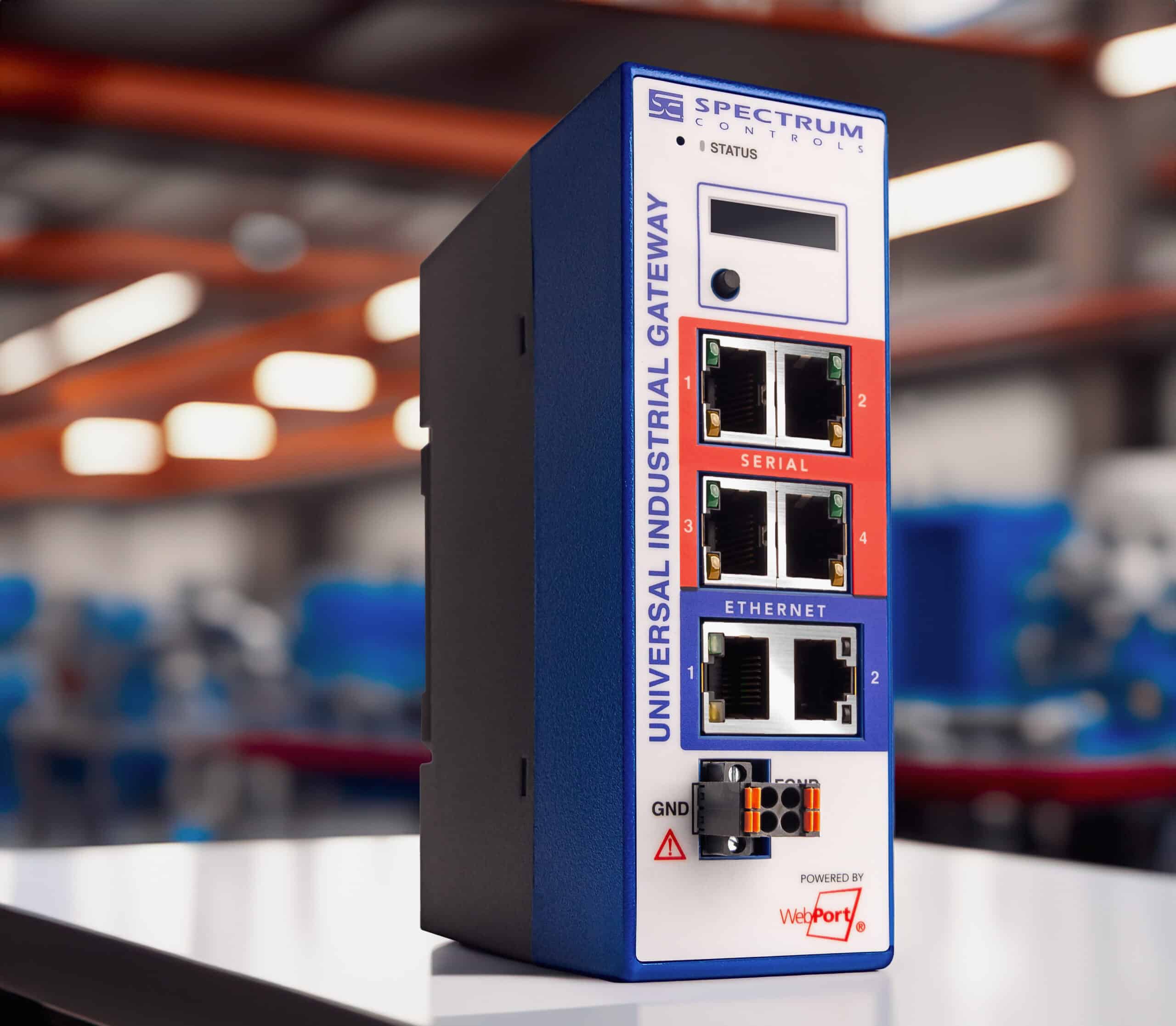
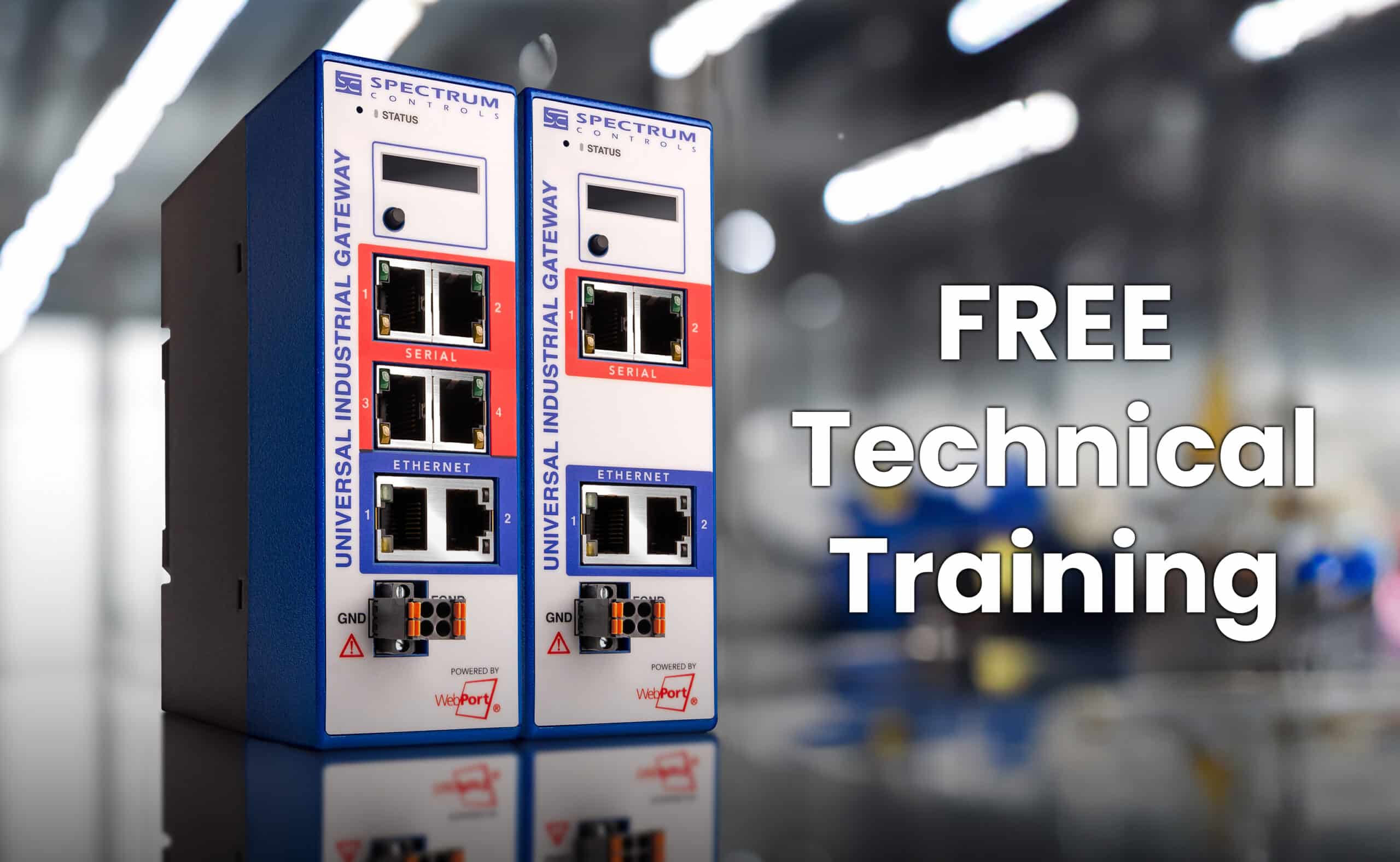
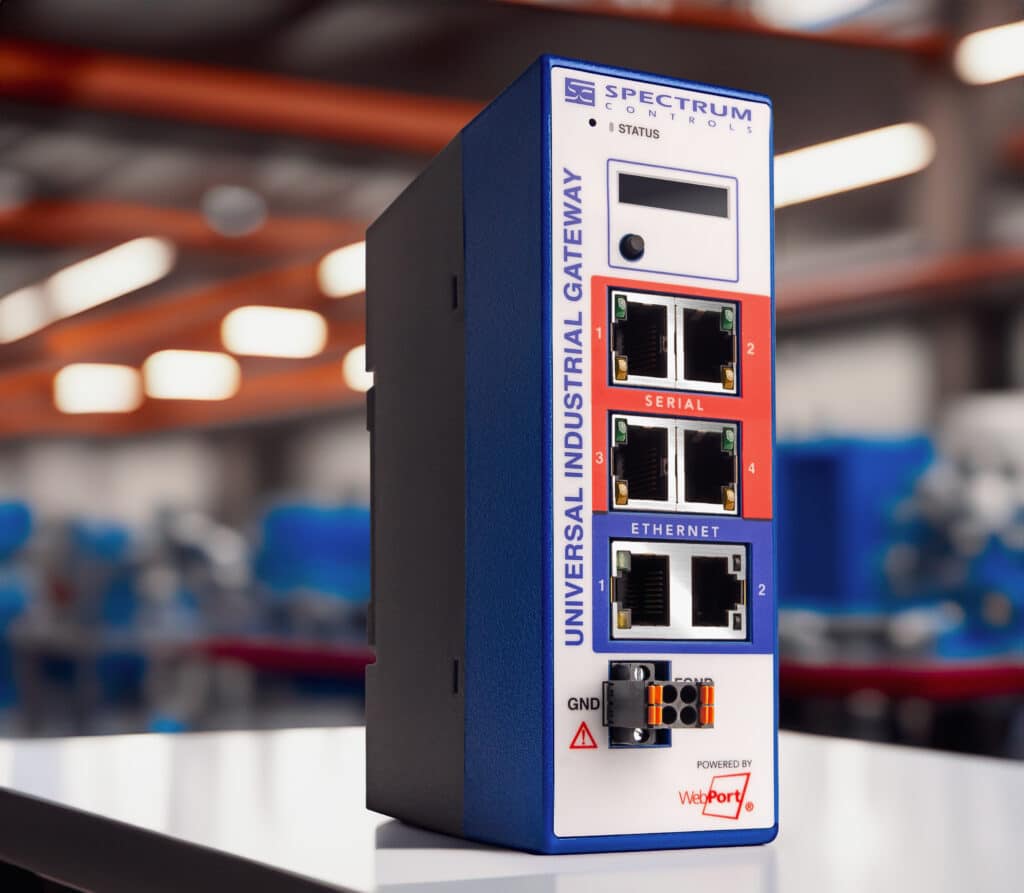
Spectrum Controls’ Universal Industrial Gateway supports a wide range of industrial protocols and is designed for flexible deployment across manufacturing, water/wastewater, building automation, and energy management applications. Learn more about the Universal Industrial Gateway.